





Carbon Monoxide
By now, most people are aware of the deadly effects of high concentrations of this odorless, colorless gas. Exposure to lower levels sometimes given off by fuel-burning appliances can also cause adverse reactions, including confusion and memory loss.

Carbon Dioxide
While the effects of high levels of CO2 were long thought to be benign, research has found that concentrations as low as 1,000 ppm can affect people’s cognitive function and decision-making performance.
The greatest source of indoor CO2 is people themselves, as it’s a byproduct of our respiratory function. Coupled with poor ventilation, this commonly leads to high levels of CO2 in many workplaces.

Nitrogen Dioxide
Nitrogen dioxide (NO₂) is an ambient trace-gas result of both natural and anthropogenic processes. Long-term exposure to NO₂ may cause a wide spectrum of severe health problems such as hypertension, diabetes, heart and cardiovascular diseases and even death.

Temperature And Humidity
These levels can affect more than your comfort. High temperatures and excessive humidity promote mold and mildew growth. These can cause structural damage to your workplace and cause allergy-like symptoms in those with sensitivities. Monitoring these levels can help you prevent facility and health problems and tip you off to potential sources like structural weaknesses and leaks.

VOC (Volatile Organic Compounds)
The acronym stands for volatile organic compounds, gases emitted from a variety of materials that can have short- and long-term health effects. Concentrations of many VOCs can be up to 10 times higher indoors than outdoors.
Sources of VOCs include many common products, including cleaning fluids, disinfectants, paints, and varnishes. Burning fuels like wood and natural gas also produce VOCs.
Short-term exposure to low levels of VOCs can cause throat irritation, nausea, fatigue, and other minor complaints. Long-term exposure to high concentrations of VOCs has been linked to more severe respiratory irritation as well as liver and kidney damage. Products can emit VOCs even when they’re in storage, though to a lesser extent than when they’re actively being used.

Particulate Matter
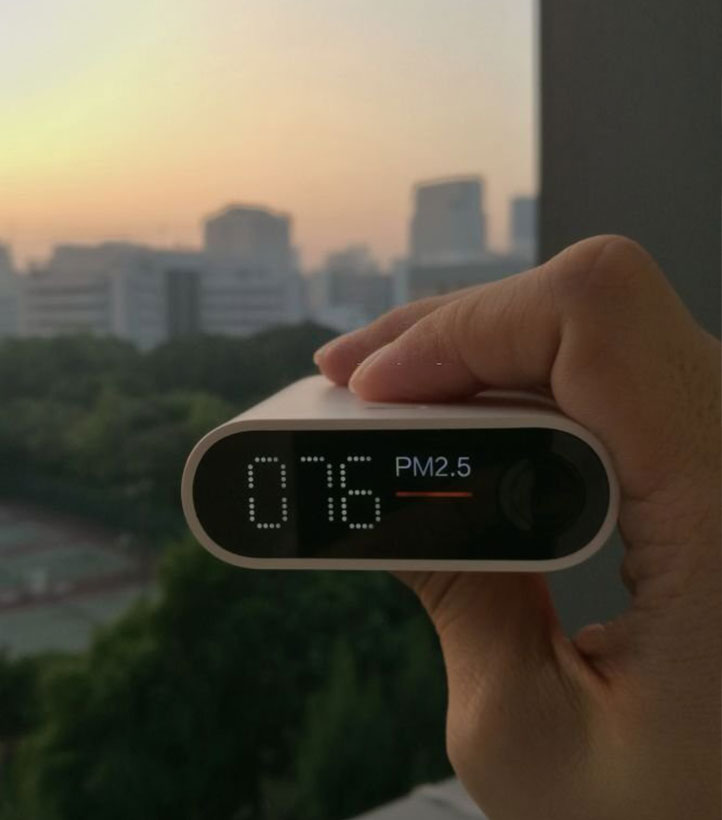
Particulate matter, or PM, is a mix of particles and droplets in the air. PM varies in shape and size, but those of 10 micrometers in diameter or smaller can adversely affect your health because they can be inhaled. PM 2.5 refers to fine particulate matter – with a diameter of two-and-one-half microns or less.
Sufficient exposure to PM can irritate the eyes, nose, throat, and lungs, leading to allergy-like symptoms and shortness of breath in otherwise healthy people. It can also exacerbate existing medical problems, such as asthma and heart disease. PM 2.5 is considered the world’s single biggest environmental health risk.
Indoor PM levels can be influenced by outdoor sources like vehicle exhaust, wildfires, and power plant emissions. But many indoor activities produce PM as well: cooking, burning fireplaces, and smoking are just a few common sources.


